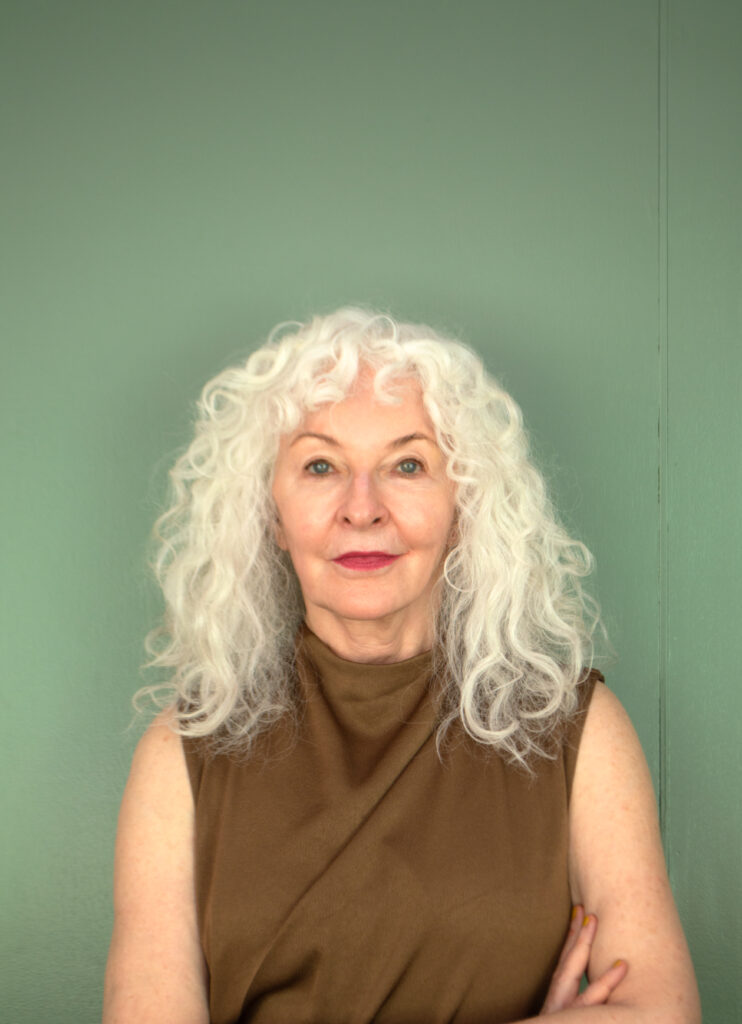
JUDITH TURNER-YAMAMOTO grew up in rural North Carolina in a small mill town. An art historian by training, she first came to writing through learning to appraise what she saw and to describe what moved her. Journalism taught her to look beyond appearances, to ask questions, and to listen for what people revealed—and what they withheld. Fiction offered the freedom to imagine the answers.
An inveterate traveler, Turner-Yamamoto has published more than a thousand cover stories and features on art, architecture, design, interiors and gardens, travel, food, fashion, and books in publications including The Boston Globe Magazine, Elle, Interiors, Art & Antiques, The Los Angeles Times, and Travel & Leisure. Her assignments have taken her around the world and brought her into conversation with such luminaries as Frank Gehry, Annie Leibovitz, Alison Krauss, and Lucinda Williams. Her interviews have also aired on NPR affiliate WVXU.
Her debut novel, Loving the Dead and Gone, a Mariel Hemingway Book Club selection, won the 2023 Independent Publisher Book Awards Gold Medal for Southern Regional Fiction, the North Carolina Society of Historians Historical Novel Award, and the 2024 PenCraft Award for First Place in Fiction. It was also shortlisted for the Eric Hoffer Book Awards Grand Prize. Her forthcoming novel, They Just Pass Through Us (Cynren Press, September 2028), returns to the fictional North Carolina mill town of Potter to explore the complicated bonds between mothers and daughters. Her debut poetry chapbook, Rules for Moving (Finishing Line Press, March 2027), was selected for the New Women’s Voices Chapbook Competition. Her novel The Drawing of Angels was shortlisted for the Santa Fe Writers Project Book Award.
Her fiction, poetry, and essays have appeared in StorySOUTH, Mississippi Review, Deep South, American Literary Review, and numerous other literary journals and anthologies, including Best New Poets, Walking the Edge: A Southern Gothic Anthology, Show Us Your Papers, and Gravity Dancers. Her honors include two Virginia Commission for the Arts fellowships, an Ohio Arts Council fellowship, residencies at the Virginia Center for the Creative Arts and Fundación Valparaíso in Spain, the Thomas Wolfe Fiction Prize, the Washington Prize for Fiction, and the Virginia Screenwriting Award.
A Kentucky Humanities Speakers Bureau scholar, Turner-Yamamoto has taught fiction at the Chautauqua Writers’ Center, the Danville Writers’ Conference, and the Writers’ Center in Bethesda, Maryland. She has appeared at literary festivals, libraries, and conferences across the country, including keynoting at the Santa Barbara Writers Conference.
After decades away, she has returned to her hometown of Asheboro, North Carolina, where she lives with her husband, visual artist Shinji Turner-Yamamoto.
My land of first memories
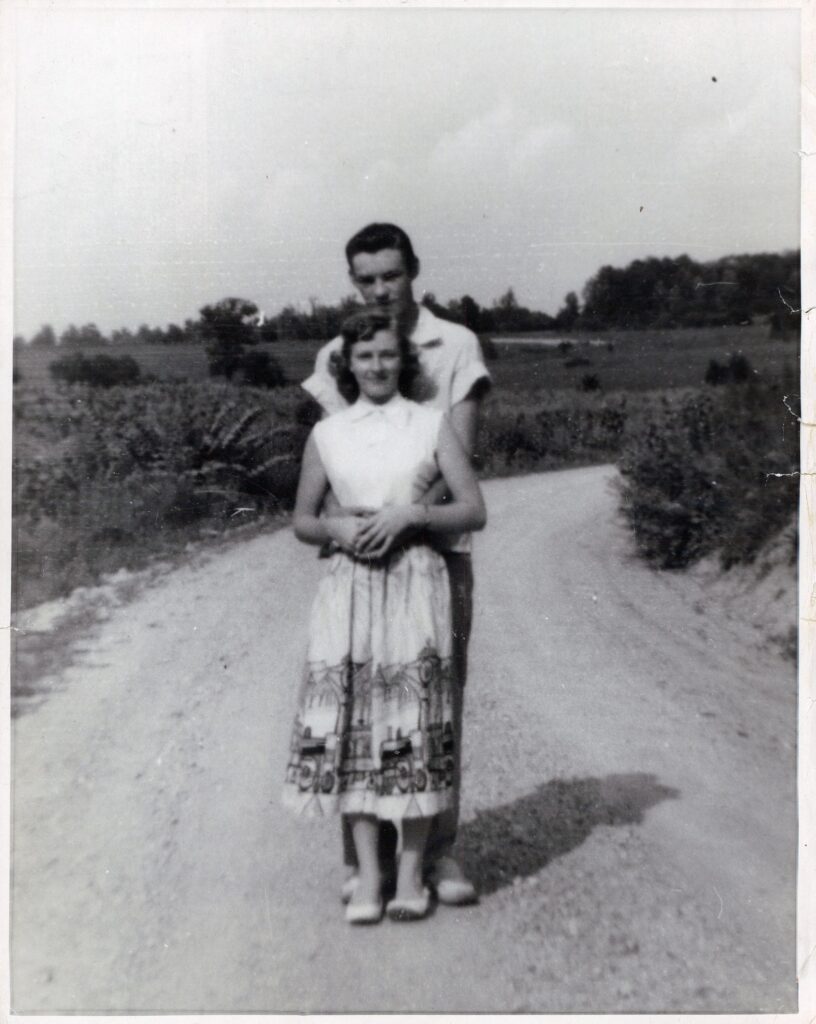
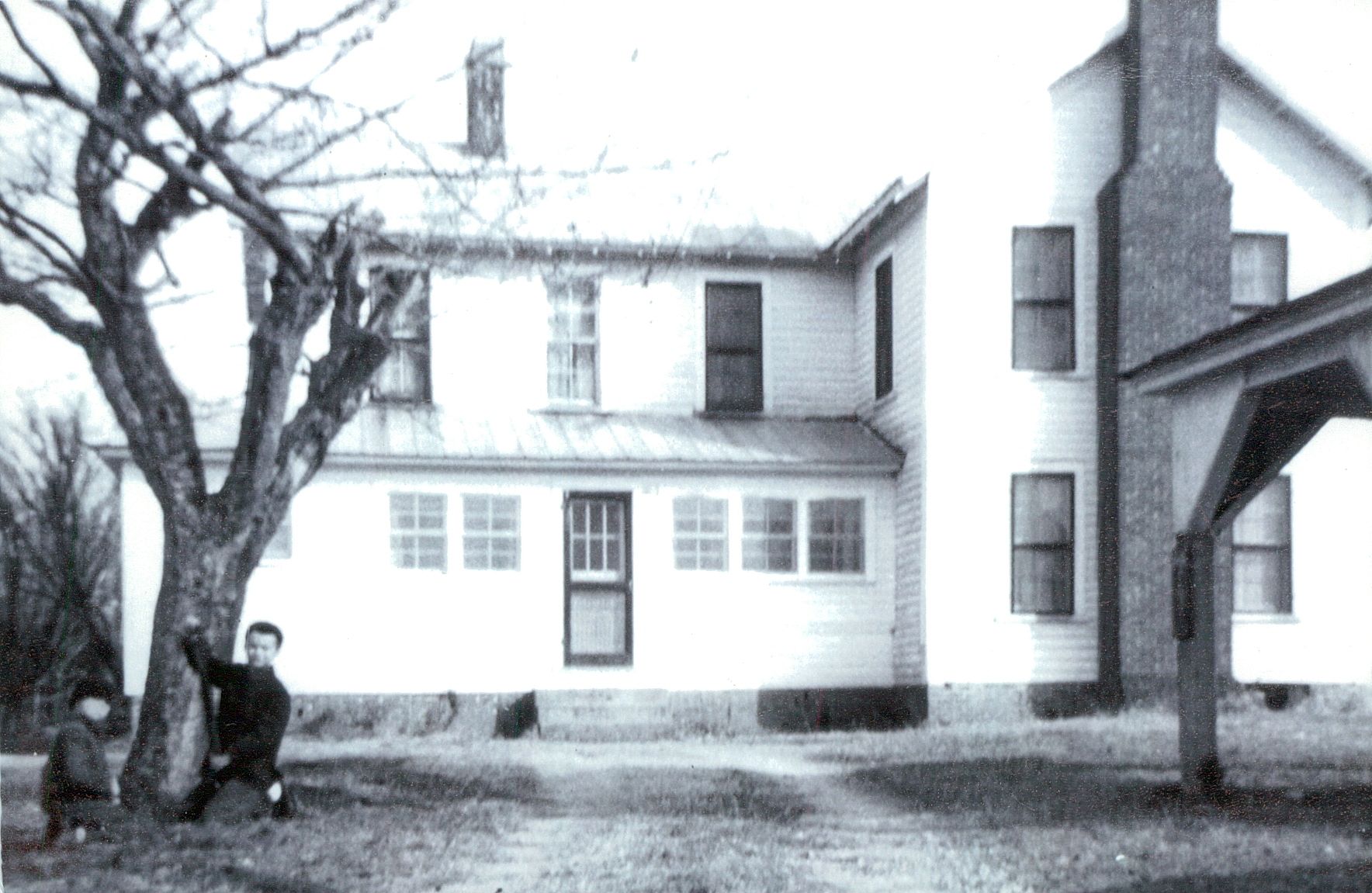
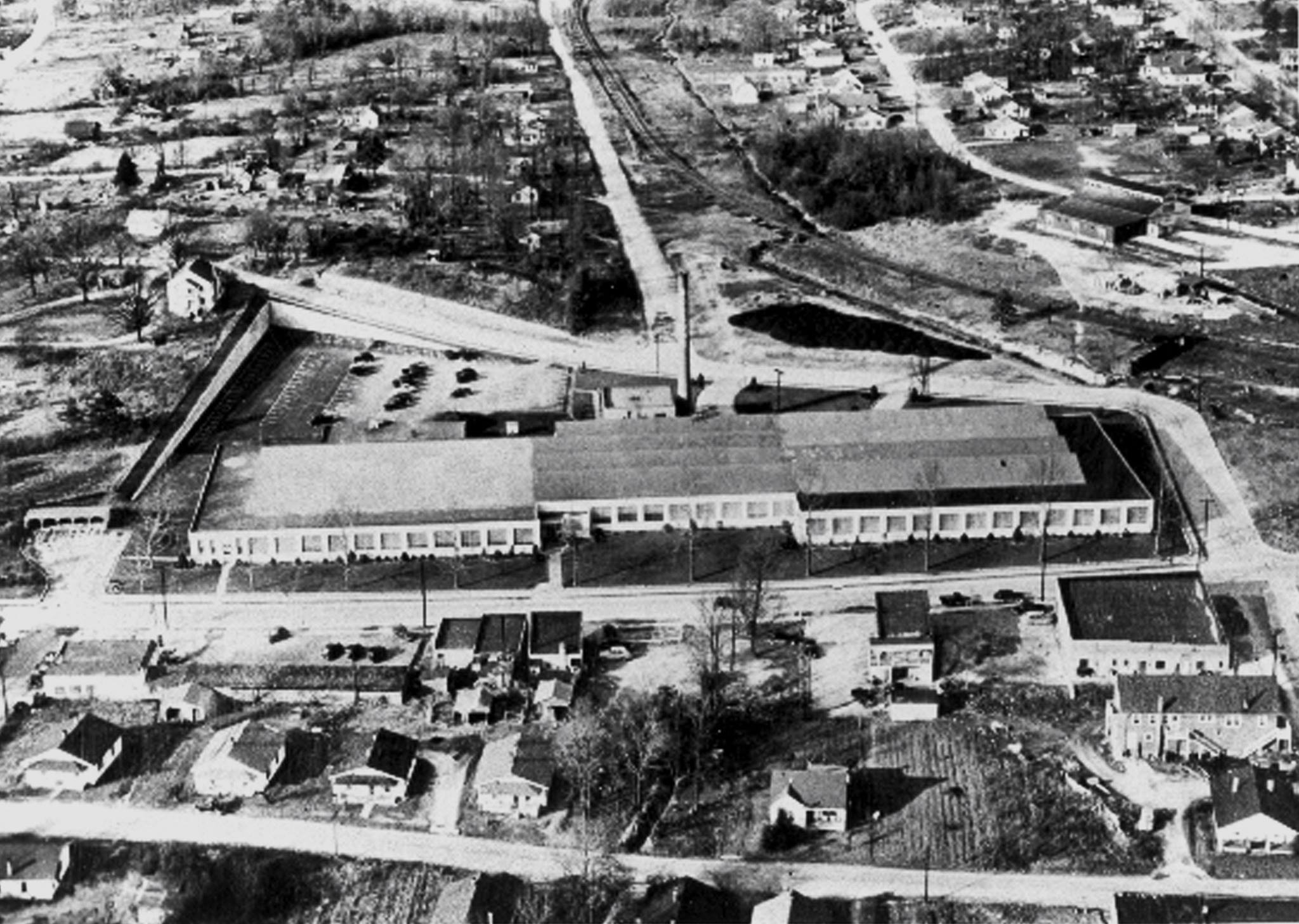
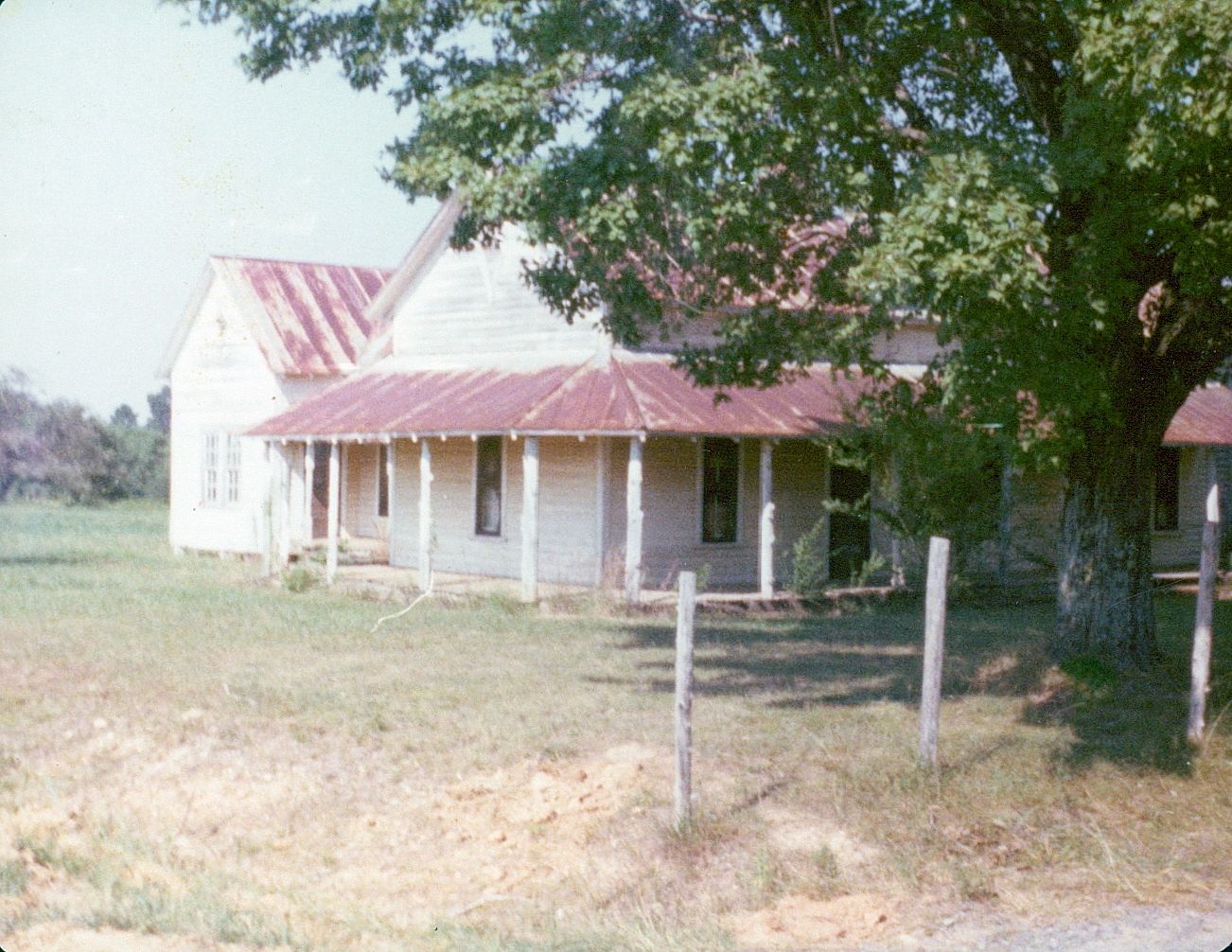
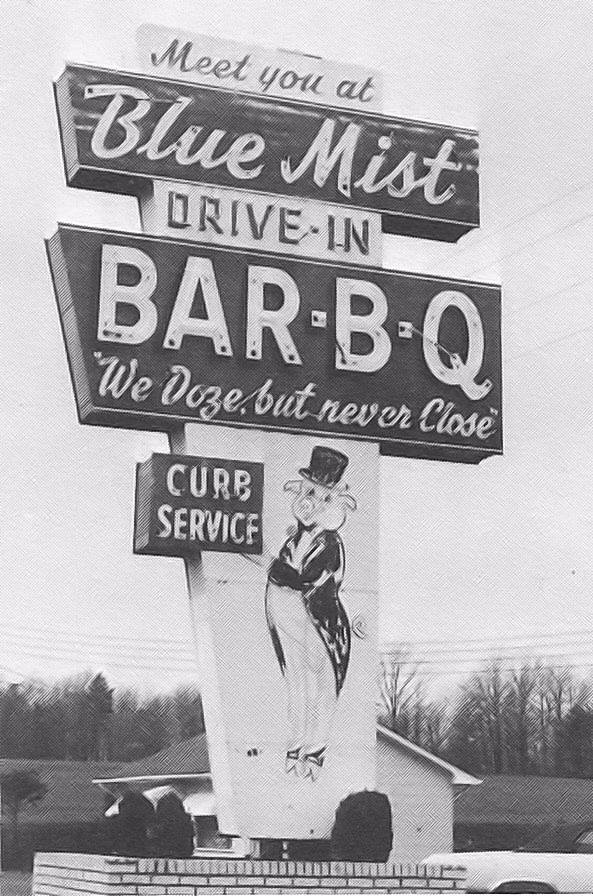
I was born in a circumscribed community in rural North Carolina where people worked the land or they left the land to work the mills. The whole of it was imbued with and made extramundane by the singsong cadence of Appalachian folk speech, a Scottish-flavored Elizabethan English ferried through the generations and across the American landscape by colonial ancestor settlers, from Pennsylvania, to the Appalachian Mountains, to the Piedmont.
Loving the Dead and Gone, the 2020 Petrichor Prize finalist, is the first novel in a trilogy set in Gold Ridge and Potter, fictional towns deep in the state’s red-dirt heart. Place shapes the emotional parameters of my characters’ choices and, in some cases, provides me with actual characters. When I write, I listen and watch the people in my head who beguile me to witness their individual stories. They speak still in this first language, despite my own transnational life. I may have traveled the world as a journalist and lived the majority of my life in Washington, DC, the most international of American cities, and prefer eating Turkish and Persian food, and be married to a Japanese, but still the stories that present themselves to me as worth telling are those connected to that place and those people. I’m fascinated with how people can experience the same event in utterly different ways. The novel found seed in my first memory, a family misfortune, much of which, I would only learn as an adult, was the fiction of a three-year-old shaped by the character of my childhood and all that came after.
This fictive world, put in motion by what Tobias Wolff refers to as “the catalyst of memory,” is told through the small lens of charged insularity and the intimate dramas of rural characters struggling to understand themselves and others through common lives fully lived. Exploring the potency of simple emotional stories, I search for the profound in the everyday and explore the constellation of emotion in the dynamics within family and community.